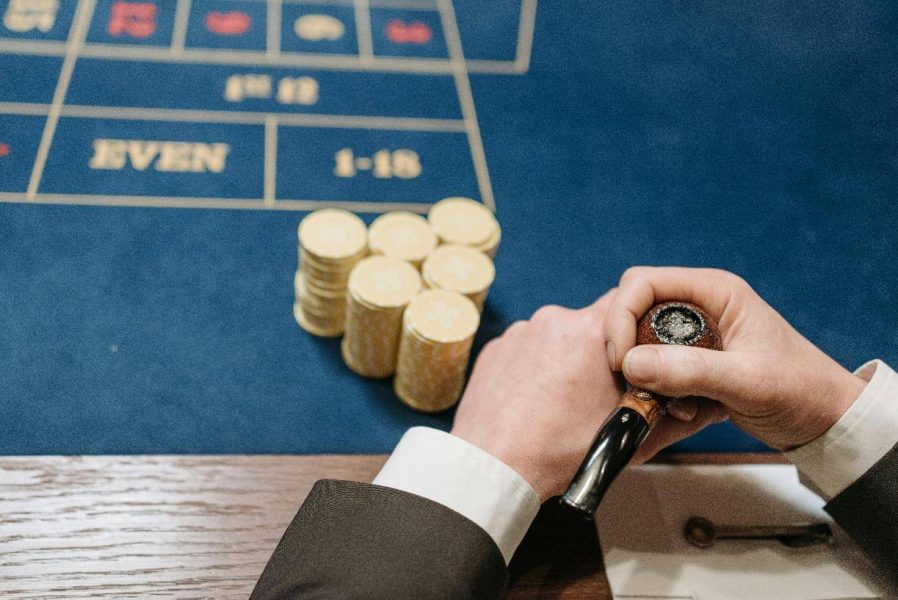
The root of gambling addiction can be traced back to the human brain’s reward center, where the release of dopamine during a win creates a pleasurable feeling similar to that of drugs or alcohol. Over time, individuals can become desensitized to smaller wins, chasing the high of a bigger win and spending more and more money in search of it.
Unlike other addictions, gambling doesn’t always involve a physical substance, making it harder to recognize and address. It can take the form of gambling at casinos, online, through sports betting, or even playing the lottery. This makes it easily accessible and seemingly harmless, leading to a false sense of control for those who struggle with it.
One of the most dangerous aspects of gambling addiction is the financial burden it can place on individuals and their families. The lure of winning big can lead to individuals spending money they can’t afford to lose, leading to mounting debts, bankruptcies, and even the loss of important assets such as homes and vehicles. This can also cause strain on relationships, as the trust and stability of a family can be shattered by the lies and deceit of a gambling addiction.
The impact of gambling addiction goes beyond just the individual struggling with it. Families and loved ones also feel the effects, both emotionally and financially. Children of individuals with gambling addictions are at a higher risk of developing a gambling problem themselves, perpetuating the cycle of addiction.
Unfortunately, unlike other addictions, there is no physical withdrawal from gambling, making it even harder to break the cycle. It’s a pattern of behavior that can be difficult to stop, even when an individual knows the harm it’s causing to their life and those around them.
Recognizing the signs of a gambling addiction is the first step in seeking help. It can manifest in various ways, such as neglecting responsibilities, borrowing and stealing money, and constantly thinking about gambling. Family and friends can also play a crucial role in helping their loved one seek treatment and support.
There are various treatment options available for gambling addiction, including therapy, support groups, and self-help programs. It’s important for individuals struggling with this addiction to seek help and establish a support system to overcome their gambling habits.
In addition to seeking professional help, there are also steps that individuals can take to prevent and manage a gambling addiction. Setting strict limits on time and money spent on gambling, finding healthy ways to cope with stress and boredom, and surrounding oneself with a supportive network of family and friends can all be effective in preventing relapse.
It’s also important for society as a whole to work towards creating a safer environment for gambling. This can involve implementing measures such as responsible gambling programs, age restrictions, and better regulation to protect vulnerable individuals from falling into the trap of addiction.
In conclusion, gambling addiction is a serious problem that can have detrimental effects on an individual’s life and the lives of those around them. It’s crucial for people to recognize the signs and seek help to overcome this addiction, and for society to work towards a safer and more responsible gambling culture. Only then can we break the cycle of gambling addiction and prevent others from falling into its grasp.